Sleep Disorders, Anxiety, and Addiction: Understanding the Hidden Connection and Finding a Path to Recovery
Drug Rehabilitation Centres in Bhubaneswar
Drug Rehabilitation Centres in Bhubaneswar, Odisha can help people dealing with addiction alongside sleep problems and anxiety. These issues can influence one another, making recovery harder when only one problem is addressed.
A person may use alcohol or drugs to relax, sleep or cope with anxiety. The short-term relief can eventually create more sleep and emotional problems, continuing the cycle.
1. How Sleep, Anxiety and Addiction Are Connected
Sleep, mental health and substance use are closely connected. Poor sleep can make it harder to manage stress and emotions. Anxiety can make falling or staying asleep difficult. Some people may then turn to alcohol, drugs or certain medicines in an attempt to feel calm or get through the night.
The problem is that substance use can also interfere with normal sleep patterns. As the effects wear off, anxiety or restlessness may return, and the person may feel tempted to use the substance again.
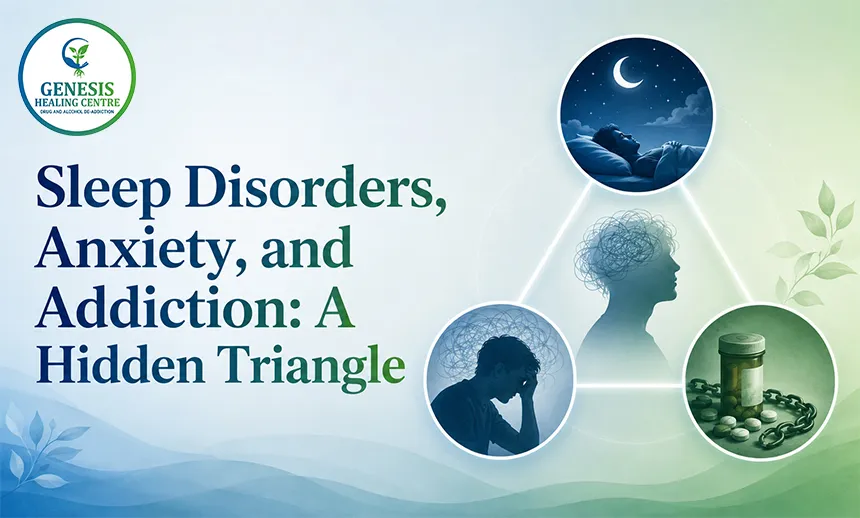
This can create a cycle:
Poor sleep ? increased anxiety ? substance use ? disrupted sleep ? more anxiety
The pattern is not identical for everyone, but recognising the connection can help families seek appropriate support sooner. The supplied reference article similarly describes sleep problems, anxiety and addiction as interconnected concerns that may need to be assessed together.
2. How Poor Sleep Can Affect Recovery
A few nights of poor sleep may leave someone tired and irritable. Persistent sleep problems can be much harder to manage.
Someone who is regularly sleep-deprived may experience:
- Difficulty concentrating
- Low energy during the day
- Irritability or emotional changes
- Greater difficulty handling stress
- Problems maintaining a regular routine
- Increased reliance on substances to relax or stay awake
Sleep problems can also make recovery routines harder to follow. A person may struggle to attend counseling, maintain healthy habits or manage cravings when they are constantly exhausted.
Sleep problems should not simply be ignored during addiction treatment. A healthcare professional can assess whether they are related to substance use, anxiety, another health condition or a separate sleep disorder.
3. The Link Between Anxiety and Substance Use
Drug De-Addiction Centre in Bhubaneswar, Odisha Anxiety can involve excessive worry, restlessness, fear, racing thoughts or physical tension. For some people, these symptoms become particularly difficult at night.
A person may start drinking alcohol or using another substance because they believe it helps them relax. The temporary feeling of relief can reinforce the behaviour.
Over time, however, substance use may worsen emotional symptoms, create dependence or interfere with sleep. This can leave the person relying on the substance more often.
Treatment needs to address the reason behind the behaviour rather than simply focusing on stopping substance use.
Counselling can help people recognise triggers, understand their thoughts and develop healthier ways to manage stress.
4. How Addiction Can Affect Sleep and Anxiety
Different substances can affect sleep in different ways. Some may make a person feel sleepy initially but interfere with normal sleep later. Others can increase alertness and make it harder to fall asleep.
Withdrawal can also bring sleep difficulties, restlessness, irritability and anxiety. The exact symptoms depend on the substance, duration of use, amount used and individual health.
This is one reason people should not try to manage serious substance dependence or withdrawal entirely on their own. Some forms of withdrawal can require medical supervision.
A professional assessment can help determine the appropriate level of care.
5. Signs That Professional Help May Be Needed
It may be time to seek professional support if someone is experiencing several of these problems:
- Regularly using alcohol or drugs to sleep
- Persistent insomnia or disturbed sleep
- Anxiety that interferes with daily activities
- Increasing substance use to achieve the same effect
- Difficulty stopping despite wanting to quit
- Repeated relapse after attempts to stop
- Withdrawal symptoms when substance use is reduced
- Problems at home, work or school linked to substance use
Seeking help does not mean that a person has failed. Addiction can require structured treatment, counselling and ongoing support.
6. How Treatment Can Break the Cycle
Treatment should be based on the person's condition and substance use history. A professional programme may consider addiction, mental health and sleep problems together rather than treating each concern in isolation.
Assessment
The process can begin with an assessment of substance use, sleep patterns, anxiety symptoms, physical health, previous treatment and other relevant factors.
This information helps professionals understand what type of support may be appropriate.
Counselling and Behavioural Therapy
Therapy can help a person identify situations and emotions that increase the urge to use substances.
Depending on the individual's needs, treatment may include approaches such as cognitive behavioural therapy, relapse-prevention counselling or therapy focused on sleep problems.
The reference material specifically discusses anxiety-focused CBT, CBT for insomnia and relapse-prevention therapy as possible parts of integrated care.
Medical Support
Some people may need medical care during detoxification or withdrawal. Medication may also be considered for certain conditions, but it should be prescribed and monitored by qualified professionals.
People should avoid self-medicating with sleeping tablets, alcohol or other substances to manage anxiety or insomnia.
Sleep and Daily Routine
A regular routine can support recovery. Helpful habits may include:
- Going to bed and waking at consistent times
- Reducing screen use close to bedtime
- Limiting caffeine later in the day
- Avoiding alcohol or non-prescribed substances for sleep
- Including suitable physical activity
- Practising relaxation or mindfulness techniques
These habits are supportive measures, not substitutes for professional treatment when a sleep disorder, anxiety disorder or addiction requires clinical care.
7. Choosing Drug Rehabilitation Centres in Bhubaneswar
Families searching for Drug Rehabilitation Centres in Bhubaneswar should look beyond accommodation and basic facilities.
Ask about:
- Professional qualifications and clinical support
- Assessment before treatment
- Detox and withdrawal management
- Individual and group counselling
- Mental health support
- Family counselling
- Relapse-prevention planning
- Aftercare and follow-up
- Emergency procedures
It is also reasonable to ask how the centre handles people who have addiction alongside anxiety or sleep difficulties.
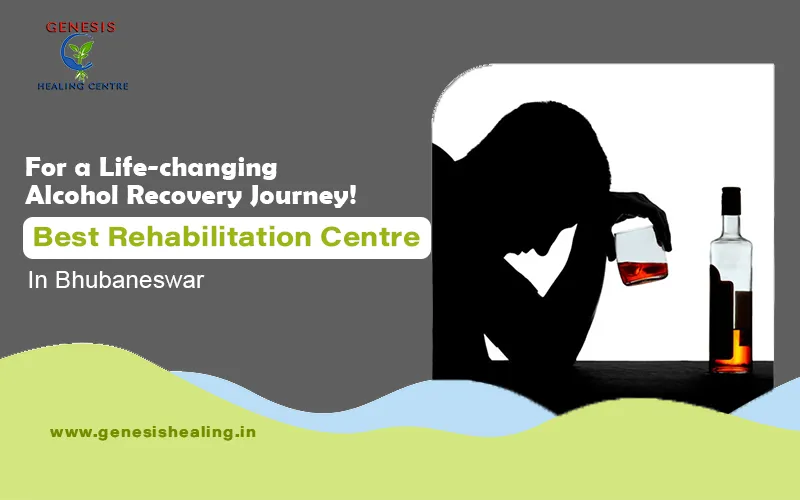
Genesishealing focuses on providing support for people dealing with addiction and related emotional or behavioural concerns. Families can contact the centre to understand the available treatment options and assessment process.
8. Frequently Asked Questions ?
Can anxiety cause sleep problems?
Yes. Persistent worry, racing thoughts and physical tension can make it difficult to fall asleep or stay asleep. Poor sleep can also make anxiety symptoms harder to manage.
Can lack of sleep increase the risk of substance use?
Poor sleep can affect mood, stress management and decision-making. Some people may try to use alcohol or drugs to cope with tiredness or emotional discomfort. This does not mean that everyone with sleep problems will develop an addiction.
Can addiction cause insomnia?
Yes. Substance use, intoxication and withdrawal can all affect sleep. The type and severity of sleep problems vary depending on the substance and the person.
Should someone stop using alcohol or drugs suddenly?
That depends on the substance, level of dependence and the person's health. Some withdrawal syndromes can be dangerous. Anyone with significant dependence should seek medical advice rather than attempting an abrupt withdrawal without appropriate support.
How can rehabilitation help with addiction and anxiety together?
A treatment plan can address substance use while also assessing anxiety, sleep, triggers and other mental health concerns. Counselling, medical care and relapse-prevention planning may form part of treatment depending on individual needs.
If you or a family member is struggling with addiction, anxiety or sleep-related problems, professional assessment can help clarify what kind of support is appropriate.
Genesis Healing Center
Conclusion
Sleep problems, anxiety and addiction can form a difficult cycle. Using alcohol or drugs to manage anxiety or sleep may provide temporary relief but can create further problems over time. The better approach is to understand the factors involved and seek appropriate professional care. A treatment programme that considers substance use, mental health, sleep and daily habits can give recovery a stronger foundation.
For families considering Top Drug Rehabilitation Centres in Bhubaneswar, Odisha asking about assessment, clinical care, counselling, relapse prevention and aftercare can help them make a more informed decision.
Contact Us