Benefits of Aftercare Support for Long-Term Addiction Recovery at Genesis Healing
Benefits of Aftercare Support for Long-Term Addiction Recovery at Genesis Healing
A Nasha Mukti Kendra in Bhubaneswar, Odisha can help people find support for addiction treatment, but recovery continues after the initial treatment ends. Aftercare gives people continued guidance, counselling, and practical support as they return to daily life and work towards long-term recovery.
1. What Is Aftercare in Addiction Recovery?
Aftercare is the continued support a person receives after completing the main phase of addiction treatment. It helps them manage cravings, deal with stress, rebuild relationships, and maintain healthy routines outside a treatment setting.
Leaving a rehabilitation centre can bring mixed feelings. A person may feel hopeful about returning home, yet worry about facing old habits, social pressure, family conflict, or situations connected with substance use. Without a clear support plan, these challenges can become difficult to manage.
An aftercare plan provides a structure for handling such situations. Depending on individual needs, it may include follow-up counselling, support group meetings, medical appointments, family guidance, and relapse-prevention planning.
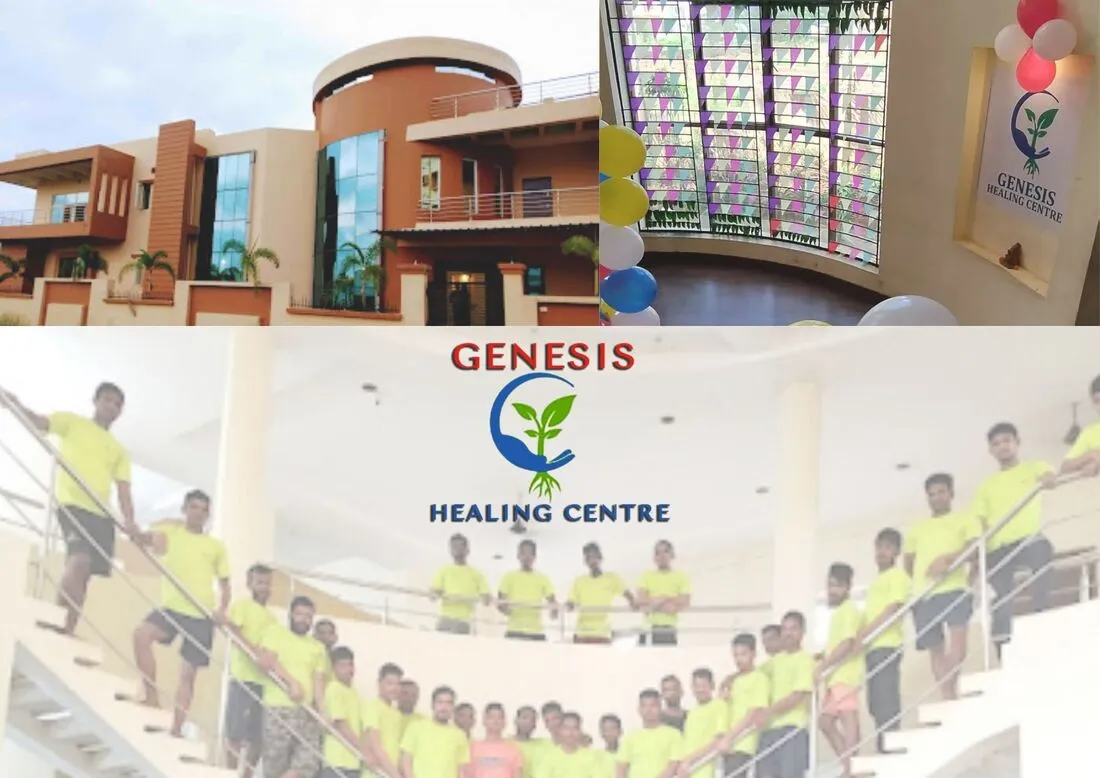
At Genesis Healing, people seeking addiction recovery support in Bhubaneswar can enquire about available treatment and continuing-care services. The right plan should reflect each person's health, recovery progress, and support needs.
2. Why Is Aftercare Important After De-Addiction Treatment?
Completing a treatment program is an important milestone, but it does not mean that cravings, emotional difficulties, or triggers will disappear immediately. Recovery often requires ongoing attention, particularly during the transition back to everyday responsibilities.
Consider someone who has completed treatment for alcohol dependence and returns to the same neighbourhood, social circle, and work pressures. If friends continue to encourage drinking, the person may struggle to maintain the changes made during treatment. Regular counselling and a clear plan for handling these situations can help them respond more safely.
Aftercare can help people:
- Recognise personal triggers before they lead to substance use.
- Seek help when cravings or emotional difficulties arise.
- Build routines that support physical and mental well-being.
- Maintain contact with counsellors or recovery support groups.
- Identify early warning signs and respond before problems grow.
Recovery looks different for everyone. Some people need frequent professional follow-ups, while others benefit from less frequent appointments and ongoing peer support. The plan should be reviewed as needs change
3. Key Benefits of an Addiction Aftercare Plan
3.1. Support in Preventing Relapse
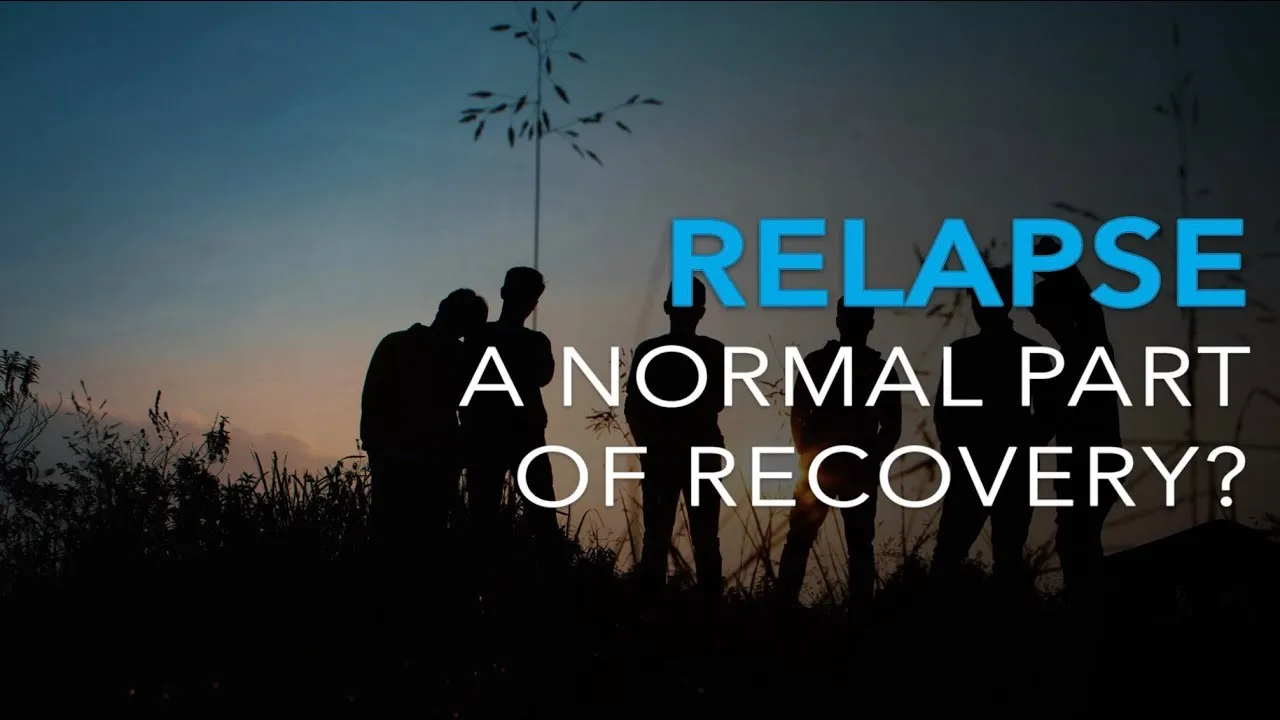
Relapse can occur during recovery, but it is not inevitable. Aftercare helps people identify high-risk situations and prepare responses in advance.
For example, a person who experiences cravings during stressful evenings may plan to call a support person, attend a recovery meeting, or speak with a counsellor. These steps cannot remove every risk, but they offer practical alternatives to returning to substance use.
For example, a person who experiences cravings during stressful evenings may plan to call a support person, attend a recovery meeting, or speak with a counsellor. These steps cannot remove every risk, but they offer practical alternatives to returning to substance use.
3.2. Continued Emotional and Mental Health Support
Addiction can occur alongside anxiety, depression, sleep difficulties, or unresolved emotional distress. These concerns may continue after residential treatment.
Follow-up counselling gives people a place to discuss their feelings, learn coping skills, and address problems that may affect recovery. A qualified clinician can also assess whether further mental health care is needed.
People should not feel that they have failed simply because they still need help after leaving a treatment centre. Continuing care is a normal part of managing a long-term health condition.
3.3. Rebuilding Family Relationships
Substance use can damage trust between partners, parents, children, and other relatives. Although treatment may begin repairing these relationships, rebuilding trust usually takes time.
Family counselling can help relatives communicate more calmly, set reasonable boundaries, and understand the difference between supporting recovery and covering up harmful behaviour. It can also give family members space to discuss their own concerns.
Small, consistent actions often matter more than promises. Keeping appointments, following agreed boundaries, and being honest about difficulties can gradually help relationships improve.
3.4. Developing Healthy Daily Habits
A regular routine can make the transition after treatment easier. Aftercare may encourage people to maintain consistent sleep, eat balanced meals, take part in suitable physical activity, and return gradually to work or education.
Hobbies, meaningful responsibilities, and supportive social connections can also help fill the time previously spent obtaining or using substances.
These habits do not replace treatment, but they can support physical health and give recovery more structure.
4. What Does an Aftercare Plan Include?
An aftercare plan should be based on an individual's treatment history, health, living situation, and recovery goals. Common elements include:
- Follow-up counselling: Regular sessions to discuss progress, cravings, and emotional concerns
- Medical care: Appointments to monitor health and review prescribed medicines where relevant.
- Relapse-prevention planning: Identifying triggers, warning signs, and people to contact during difficult periods.
- Peer support: Participation in suitable recovery groups or community meetings.
- Family education: Helping relatives understand addiction and provide appropriate support.
- Work and daily-life planning: Setting manageable goals for returning to responsibilities and social activities.
Not every person needs the same services. A qualified treatment professional can help decide which supports are appropriate and how often they should be reviewed.
5. How to Reduce the Risk of Relapse After Treatment
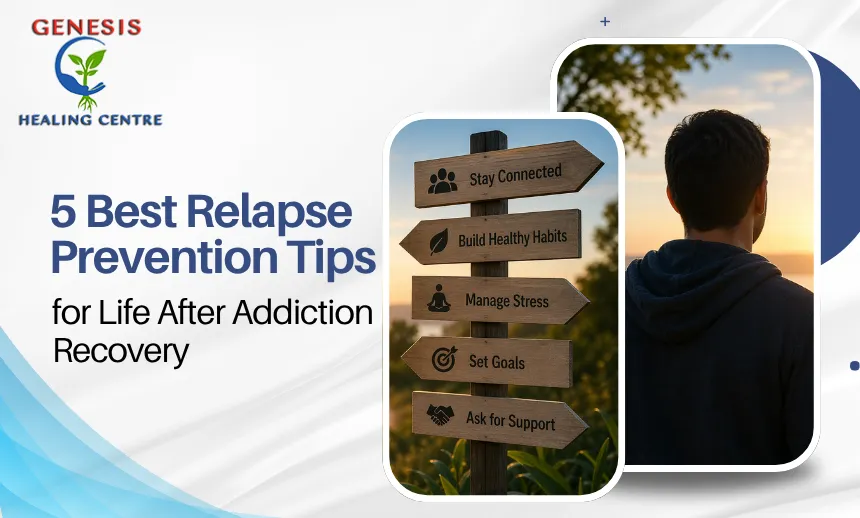
Recovery becomes easier to manage when a person knows what to do during difficult moments. A few practical steps can help:
- Attend scheduled counselling and follow-up appointments.
- Avoid situations or social settings that strongly encourage substance use, particularly during early recovery.
- Keep contact details for a counsellor, support person, or healthcare provider accessible.
- Learn to recognise changes in mood, sleep, behaviour, or cravings that may signal a problem.
- Ask for help early instead of waiting until the situation becomes overwhelming.
Anyone taking prescribed medication should follow medical advice rather than stopping or changing the dose independently. People recovering from alcohol or drug dependence may need continuing clinical care, depending on their circumstances.

6. How Families Can Support Long-Term Recovery
Families can help by offering encouragement while allowing the person in recovery to take responsibility for their choices. Listening without humiliation or constant criticism can make it easier to speak honestly about difficulties.
Relatives should also establish clear boundaries around money, substance use at home, and behaviour that affects safety. Supporting someone does not mean accepting threats or putting other family members at risk.
If a loved one shows signs of returning to substance use, a calm conversation and prompt contact with their treatment team may help. In an emergency, seek immediate medical assistance
7. Choosing a Nasha Mukti Kendra in Bhubaneswar, Odisha
When comparing a Nasha Mukti Kendra in Bhubaneswar, Odisha, families should ask about the treatment approach and the support available after discharge. The quality of continuing care deserves as much attention as the initial treatment program.
Useful questions include:
- Are follow-up counselling and medical reviews available?
- How does the centre help people identify and manage relapse risks?
- Can families take part in counselling or educational sessions?
- What happens if a person needs additional treatment after discharge?
- Are referrals available for mental health care or other medical needs?
Genesis Healing, through its website genesishealing.in, can be contacted to ask about its available addiction treatment and aftercare services in Bhubaneswar. Confirm the specific services, follow-up arrangements, and costs directly with the provider before making a decision.
8. Frequently Asked Questions
1. How long does addiction aftercare last?
There is no fixed duration. Some people need frequent support in the early stages, while others continue with periodic counselling or peer meetings for months or longer. The plan depends on individual progress and clinical needs.
2. Can aftercare prevent relapse completely?
No. Aftercare cannot guarantee that relapse will never occur. It can help people recognise warning signs, manage triggers, and seek support when difficulties arise.
3. Is aftercare necessary after completing rehabilitation?
Aftercare is strongly worth considering because the transition back to everyday life can bring new challenges. A treatment professional can recommend the level of follow-up that suits the person's needs.
4. Can family members take part in aftercare?
Yes, when appropriate. Family counselling and education can improve communication, help establish healthy boundaries, and give relatives a better understanding of recovery.
5. How can I find addiction aftercare support in Bhubaneswar?
Contact a local treatment provider and ask about follow-up counselling, medical care, relapse-prevention planning, and family support. Confirm which services are currently available before admission or discharge
Genesis Healing Center
For information about addiction treatment and continuing recovery support in Bhubaneswar, contact Genesis Healing to discuss available services and suitable next steps.
Conclusion
Aftercare helps people continue working towards recovery after completing their main addiction treatment. Regular counselling, family support, healthy routines, and a clear relapse-prevention plan can help them manage the challenges of daily life. Anyone considering a Nasha Mukti Kendra in Bhubaneswar, Odisha should ask about continuing care before choosing a treatment provider. Recovery may take time, but support does not have to end when the initial program is over.
Contact Us