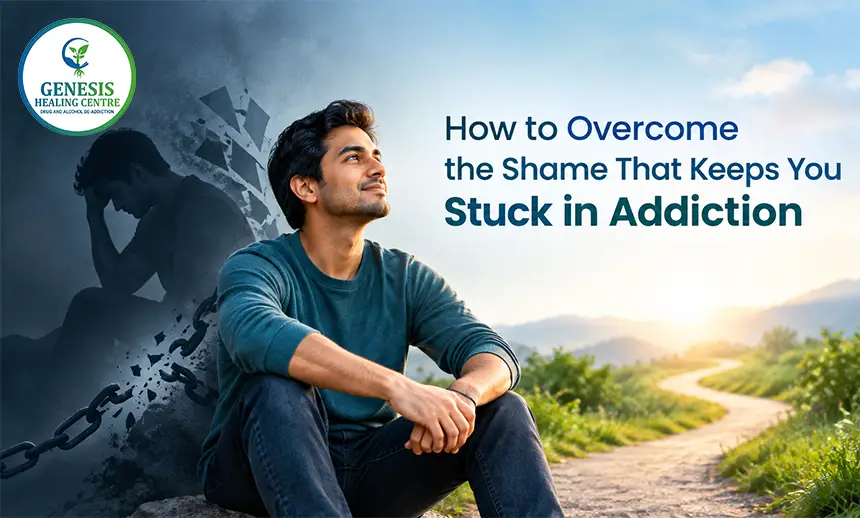
How to Overcome the Shame That Keeps You Stuck in Addiction
Drug Rehabilitation Center in Bhubaneswar
Understanding shame, talking about it, and seeking appropriate support can make recovery easier to begin. Drug Rehabilitation Center in Bhubaneswar can help people address addiction without treating shame as a personal failure
Addiction can bring guilt, embarrassment, fear of judgment, and a strong desire to hide what is happening. These feelings may become another barrier between a person and the help they need. Genesishhealing notes that negative attitudes and stigma can prevent people from seeking treatment or openly discussing substance use.
1. Understanding Shame During Addiction
Shame is different from simply feeling bad about a particular action. A person experiencing guilt may think, "I did something wrong." Shame can become more personal: "Something is wrong with me."
That difference matters during addiction recovery.
A person may regret drinking, using drugs, lying to family members, missing work, or breaking promises. Instead of seeing these actions as problems that can be addressed, they may start believing that they are a bad person who cannot change.
The reference material similarly describes shame as a barrier that can create isolation and make people feel undeserving of help.
2. Shame vs. Guilt: Why the Difference Matters
Guilt can sometimes encourage a person to correct a harmful action. Shame can make someone withdraw.
For example:
- Guilt: "I hurt someone and need to make things right."
- Shame: "I always hurt people because I am a bad person."
- Guilt: "My substance use has caused problems."
- Shame: "I am beyond help because of my substance use."
Recovery becomes harder when a person starts defining their entire identity through addiction.
A substance use disorder is not simply a matter of character or willpower.Genesishealing describes addiction as a complex health condition for which treatment and recovery support are available.
3. How Shame Can Keep a Person Stuck
Shame can affect recovery in several ways.
1. It encourages isolation
A person may stop meeting friends or family because they are worried about questions or judgment. Isolation can then make difficult emotions harder to manage.
2. It makes asking for help harder
Someone may think that entering treatment means admitting failure. They may delay speaking with a doctor, counsellor, family member, or rehabilitation professional.
3. It increases negative self-talk
Repeated thoughts such as "I cannot change" or "I have already ruined everything" can make recovery feel impossible.
4. It can hide the real problem
When a person is focused on hiding addiction, family members may not understand what is happening. This can delay support and treatment.
Genesishealing identifies internalized stigma, including shame and embarrassment about one's own condition, as a factor that can affect willingness to engage in treatment.
4. Why Asking for Help Can Feel Difficult
For many people, the hardest part is admitting that substance use has become difficult to control.
There may be fear about what family members will say. Some people worry about losing relationships, being judged at work, or being treated differently by others.
These concerns can feel very real. Still, staying silent does not remove the addiction.
A person does not need to have every answer before seeking help. An initial conversation with a qualified healthcare or addiction professional can simply be a way to understand what support may be appropriate.
A supportive treatment environment should allow people to discuss substance use without unnecessary judgment. Genesish recommends approaches that reduce stigma and create welcoming, nonjudgmental access to care.
5. Practical Ways to Break the Shame Cycle
Moving past shame usually takes time. A few practical steps can help.
Talk to Someone Safe Choose a person who can listen without turning the conversation into criticism. This could be a family member, counsellor, doctor, or addiction treatment professional.
Separate the Person From the Addiction Addiction is something a person is experiencing; it does not have to become their entire identity.
Recognising this difference can make it easier to think about treatment instead of punishment.
Stop Measuring Recovery Only by the Past Past mistakes may need to be addressed, but they do not have to determine every future decision. Recovery involves learning new ways to manage substance use, emotions, relationships, and daily life.
Accept Professional Support Some people try repeatedly to stop using substances without professional help. If those attempts have not worked, seeking treatment is not a sign of weakness.
Treatment can involve assessment, counselling, behavioural therapies, medical care when appropriate, family involvement, and recovery support depending on the individual's needs. Lists several evidence-based treatment options and recommends professional assessment and recovery support.

6. How Professional Addiction Treatment Can Help
A Drug Rehabilitation Center in Bhubaneswar can provide a structured setting where a person can discuss addiction and work on the issues connected with it.
Treatment may address more than substance use itself. Emotional difficulties, family relationships, stress, trauma, and other mental health concerns may also need attention.
Professional support can help a person:
- Understand patterns related to substance use
- Identify situations that may trigger use
- Develop healthier coping methods
- Work through guilt and shame
- Improve communication with family
- Build routines that support recovery
- Plan for continued support after treatment
The exact treatment plan should depend on the person's condition, substance use history, physical health, mental health, and clinical assessment.
7. Choosing a Drug Rehabilitation Center in Bhubaneswar
If you or a family member is considering treatment, look beyond promotional claims. Ask practical questions about the centre and its approach.
Consider:
- Who provides the treatment and counselling?
- Is an initial assessment available?
- How are withdrawal and medical concerns handled?
- Is mental health support available when needed?
- Are family members involved where appropriate?
- What support is available after the main treatment period?
- How does the centre maintain privacy and dignity?
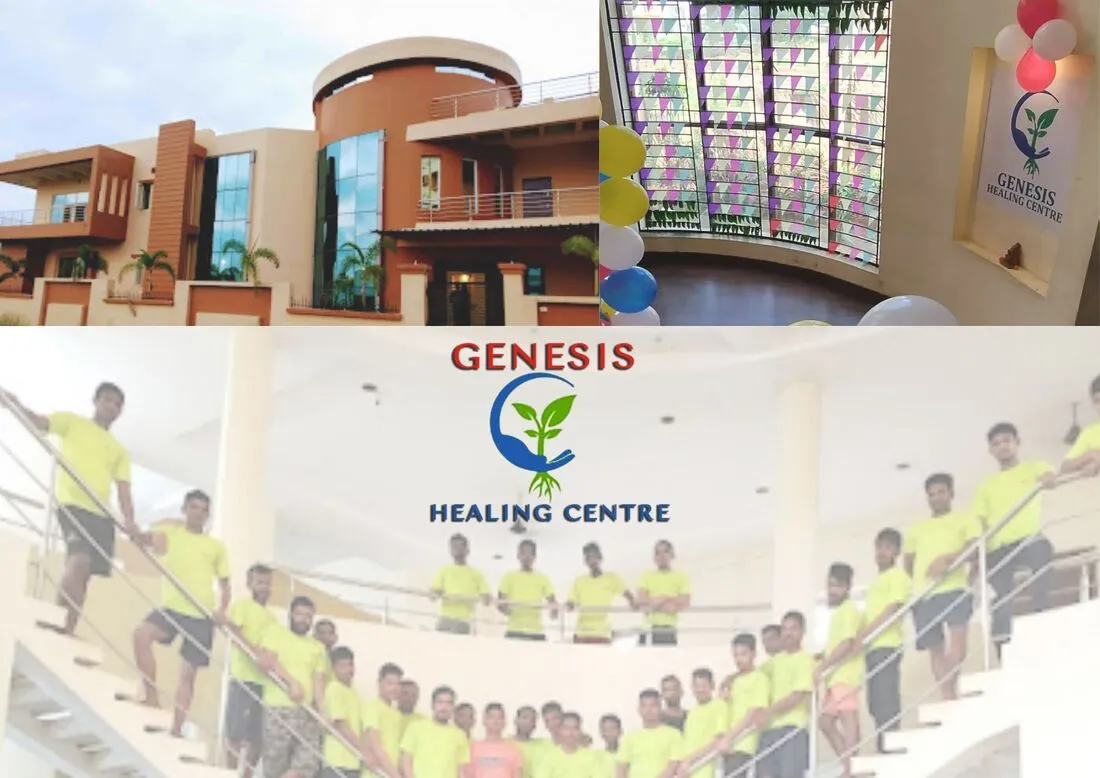
Genesis Healing in Bhubaneswar can be considered by people seeking professional support for addiction-related concerns. The centre's approach and available services should be discussed directly with the treatment team so that the appropriate level of care can be understood.
8. Frequently Asked Questions ?
1. Can shame make addiction recovery harder?
Yes. Shame can lead to isolation, secrecy, negative self-beliefs, and reluctance to seek treatment. Identifies stigma and internalized shame as barriers that can affect treatment engagement.
2. Is addiction a sign of weak character?
No. Addiction is a complex health condition involving biological, psychological, and environmental factors. It can be treated, and recovery support is available.
3. How can someone start overcoming shame?
A useful starting point is to speak honestly with someone safe and qualified. Professional assessment can help identify appropriate treatment and support.
4. Should family members be involved in addiction treatment?
Family involvement can be helpful in some situations, but the appropriate role depends on the individual's circumstances and treatment plan. A qualified professional can advise on this.
5. When should someone consider a rehabilitation centre?
Consider professional assessment when substance use is difficult to control, is affecting health or relationships, or repeated attempts to stop have not worked. A healthcare professional can help determine what level of care is appropriate.
If you or someone in your family needs professional guidance regarding addiction treatment in Bhubaneswar, Genesis Healing can be contacted to discuss the available support and next steps.
Genesis Healing Center
Conclusion
Shame can make addiction feel like something that must be hidden, but hiding the problem can late the support a person needs. Recognising addiction as a health concern, talking to someone trustworthy, and seeking professional support can help break that cycle.
For people considering a Drug Rehabilitation Center in Bhubaneswar, the first talks does not have to answer every question. It can simply be a chance to understand the available support and decide what should happen next.
Contact Us