Natural recoverers kick addiction without help
Recovery begins with the courage to change, grows through everyday choices, and becomes stronger when you seek the support you need.
For anyone searching for a Nisha Mukti Kendra in Bhubaneswar, understanding natural addiction recovery is a useful point. Some people overcome addiction without treatment, but recovery depends on the substance, severity of dependence, health, and support available.
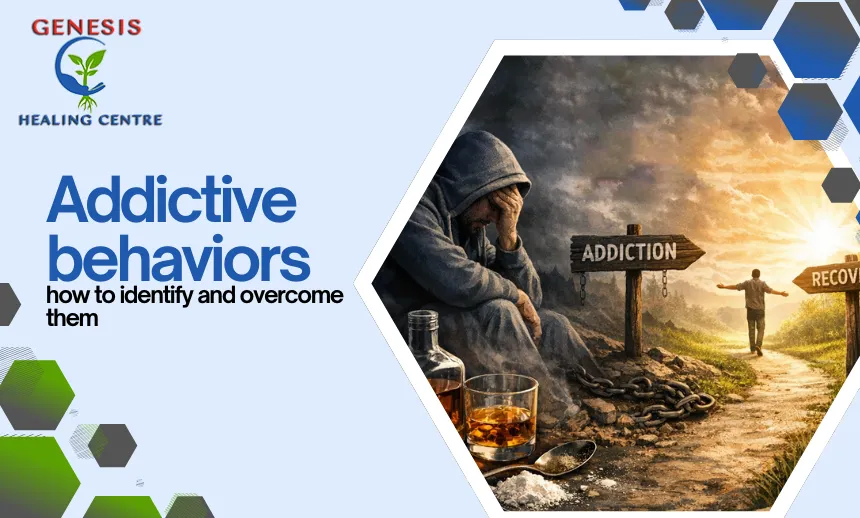
Addiction can affect physical health, relationships, work, and self-confidence. While some people manage to change their habits independently, others need medical care, counselling, or a structured rehabilitation programme. Understanding these differences can help individuals and families make safer decisions about recovery.
1. Understanding Natural Recovery from Addiction
Natural recovery refers to reducing or stopping an addictive behaviour without entering a formal treatment programme. It may involve changing daily routines, avoiding triggers, developing healthier interests, and building relationships that support a substance-free life.
Research describes people who have overcome certain addictions without professional treatment. Some changed their social environments, became physically active, or found meaningful activities that helped them move away from addictive behaviours.
However, natural recovery does not mean addiction is easy to overcome. Dependence can involve changes in the brain,distress, and physical withdrawal.
The experience also varies from person to person. Someone trying to stop smoking may face different risks from someone dependent on alcohol, sedative medications.
2. Why Some People Recover Without Formal Treatment
People who recover without formal treatment often make changes that gradually reshape their everyday lives.
2.1. Finding a Personal Reason to Change
Recovery often begins when someone recognises how addiction affects their health, family, finances, or future plans. A personal reason for change can help maintain motivation when cravings arise.
For example, someone may decide to stop drinking because they want to rebuild trust with their family or improve their physical health.
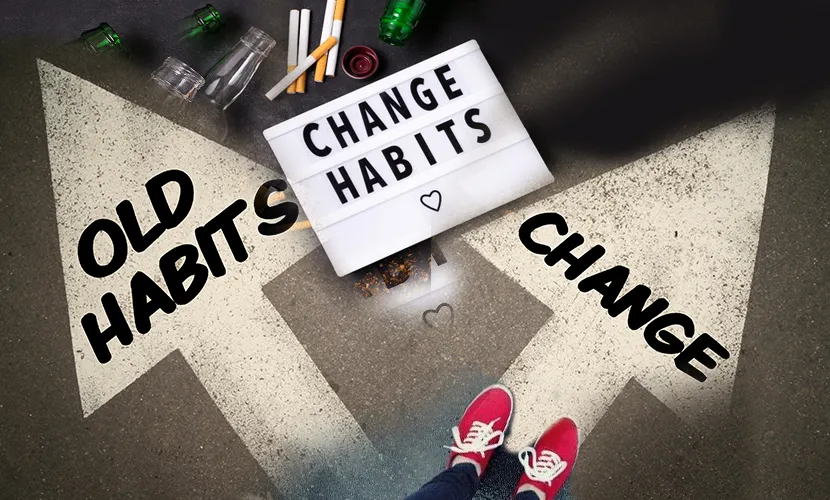
2.2. Replacing Old Habits With Healthy Activities
Addiction can occupy a big part of someone's time and attention. Exchanging that routine with meaningful activities can make recovery more manageable.
Reading, learning a skill, gardening, cooking, walking, or returning to a favourite hobby can provide structure and a sense of goal.
2.3. Changing Social Environments
Spending time with people can make recovery harder. Reducing unprotected to these situations and building healthier friendships can help people maintain their goals.
Supportive family members and trusted friends can also provide encouragement without judgement.
2.4. Developing Better Ways to Handle Stress
Stress, loneliness, anxiety, and unresolved emotional difficulties can contribute to addictive behaviours. Learning to recognise these feelings and respond differently can reduce the urge to return to old habits.
Some people find journaling, relaxation exercises, meditation, or regular physical activity helpful. Persistent emotional difficulties may require professional support.
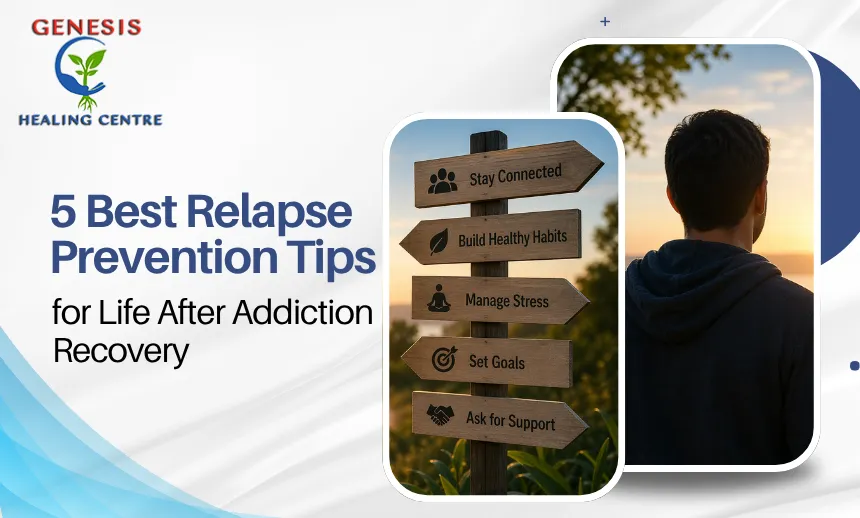
3. Five Healthy Habits That Support Addiction Recovery
Healthy routines cannot replace necessary medical treatment, but they can support recovery and general wellbeing.
- Maintain a consistent routine: Regular waking times, meals, and sleep can create stability.
- Stay physically active: Walking and other suitable exercise may improve mood, reduce stress, and support better sleep.
- IdIdentify personal triggers: Notice situations, emotions, places, or relationships associated with cravings.
- Build a supportive network: Spend time with people who respect your decision to recover.
- Track progress realistically: Record achievements, recognise difficult moments, and adjust your plan when needed.
Small, repeatable changes are often more practical than attempting to change every part of life at once.
A setback should not automatically be viewed as failure. It can reveal which situations need more preparation or support. However, repeated relapse, worsening health, or increasingly strong cravings are reasons to seek professional advice.
4. The Challenges of Quitting Addiction Alone
Recovering without formal treatment is not suitable for everyone. Withdrawal symptoms, mental health difficulties, and the strength of physical dependence can make independent recovery unsafe.
Alcohol withdrawal can cause serious complications, including seizures and delirium. Suddenly stopping benzodiazepines or certain prescribed sedatives can also be dangerous. People dependent on these substances should seek medical guidance before reducing or stopping them.
particularly if a person returns to a previous dose after a period of abstinence. Reduced tolerance can increase the risk of a fatal overdose.
Other warning signs that professional help may be needed include:
- Repeated unsuccessful attempts to stop using a substance.
- Neglecting responsibilities because of alcohol or drug use.
- Severe anxiety, depression, or emotional distress.
- Withdrawal symptoms that interfere with daily functioning.
- Continued substance use despite serious health or relationship problems.
Seeking help is not a sign of weakness. It is a practical decision based on individual needs and safety.

5. When Professional Addiction Treatment Is Necessary
Professional treatment can help people understand the causes of addiction, manage withdrawal safely, develop coping skills, and plan for long-term recovery.
Depending on the person's circumstances, treatment may include medical assessment, supervised detoxification, individual counselling, cognitive behavioural therapy, family support, medication when appropriate, and relapse-prevention planning.
A suitable programme should consider the person's substance use history, physical health, emotional wellbeing, and home environment.
Families can help by listening without blame, setting healthy boundaries, and encouraging an assessment from a qualified healthcare professional. Forcing someone into a conversation through shame or threats can make it harder for them to seek help.
6. Finding the Right Nisha Mukti Kendra in Bhubaneswar
Choosing a rehabilitation centre. Families looking for a Nisha Mukti Kendra in Bhubaneswar should ask about clinical works, staff qualifications, treatment methods, withdrawal management, family involvement, and support after discharge.
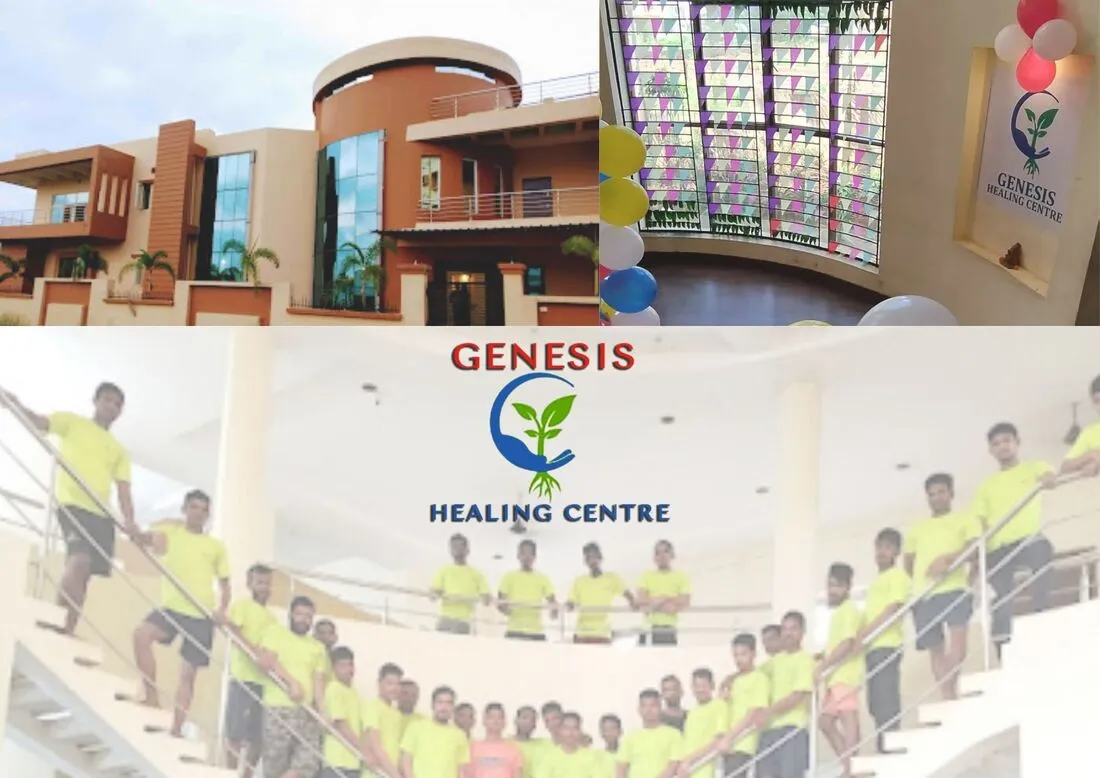
Genesis Healing Center in Bhubaneswar provides addiction-related services, including counselling, detoxification, family support, good behavioural therapy, and aftercare. These services can help individuals with treatment options suited to their circumstances.
The centre's website, Genesishealing.in, provides further information about its services and contact details.
Before choosing a programme, discuss the person's medical needs with the care team and talk the expected costs, treatment plan, and arrangements for emergencies. Recovery should be approached with dignity, realistic expectations, and appropriate professional oversight.
7. Frequently Asked Questions
1. Can a person recover from addiction without professional help
Yes, some people recover without formal treatment, particularly when dependence is less severe and they can make lasting changes to their habits and environment. However, independent recovery is not safe or suitable for everyone.
2. What habits can help someone recover from addiction naturally?
Consistent sleep, suitable exercise, meaningful activities, supportive relationships, trigger awareness, and stress-management techniques may help. These habits support recovery but do not replace medical care when needed.
3. When should someone visit a Nisha Mukti Kendra in Bhubaneswar?
Consider professional assessment when attempts to stop repeatedly fail, substance use affects daily life, cravings are difficult to manage, or withdrawal symptoms appear. Severe withdrawal risks require medical attention.
4. Is addiction relapse a sign of failure?
No. A relapse can indicate that the current recovery plan needs adjustment or additional support. It should be treated seriously, particularly after opioid use, because reduced tolerance can increase overdose risk.
5. How can families support someone recovering from addiction?
Families can offer encouragement, maintain clear boundaries, avoid blame, and help arrange professional assessment. They should also seek urgent medical assistance if the person experiences severe withdrawal symptoms or an overdose.
Contact Genesis Healing Center
If you or someone in your family is struggling with addiction, getting reliable information about treatment options can help you decide what to do next.
Conclusion
If you are seeing a isha Mukti Kendra in BhubaneswarN, focus on safety, care, and support. With a good plan, people can work towards routines, good relationships, and a healthy life.
Contact Us